
You have wished out a tiny corner, closet or nook for your child’s play space but now it feels cluttered, cramped, or chaotic. Moreover, toys spill everywhere and instead of being a fun escape, your “playroom” has become a stress zone. If you’re wondering how to make a small playroom feel bigger, functional and delightful, you’re not alone.
In this guide, you shall discover smart designs and creative small playroom ideas you can actually use even in tight quarters. We’ll help you to transform that tricky playroom space into a joyful, organized zone that grows with your child.
The real challenges of designing a small playroom
Before diving into solutions, let us be honest about our struggles:
- Limited floor space: Make sure that every toy or table takes up valuable room.
- Clutter overflow: Ensure that without a system, toys pile up fast.
- Multi-use demands: Often a play area must share space with living, dining or guest zones.
- Changing needs: We have to realize that toddlers and tweens don’t need the same setup.
- Safety concerns: For safety purposes use low furniture, soft edges and non-slip rugs.
Acknowledging these challenges is the first step toward creating a playroom that truly works.
Design principles for small playrooms
Think of these as the golden rules:
- Go vertical: Walls are your best friend while shelves, chalkboards and pegboards save floor space.
- Choose multipurpose furniture: For double duty choose benches with drawers, fold-down desks and ottomans with lids.
- Define zones clearly: For reading, crafts and play each should have their own small space.
- Prioritize easy cleanup: Open bins, labels and low shelves make tidying fast.
- Stay flexible: Pick pieces that adapt as kids grow.
14 Small Playroom Ideas You’ll Love
Create a wall mural or accent wall
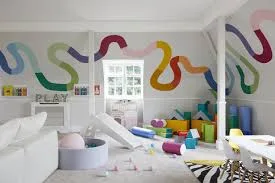
Paint a painting of rainbow, forests or clouds to add visual depth and inspire play. If painting isn’t your thing, go for peel and stick wallpaper. You can also use washable paints to keep things kid-friendly. In short this single change makes a tiny room feel more dynamic and cheerful without adding clutter.
Chalkboard or magnetic wall panels
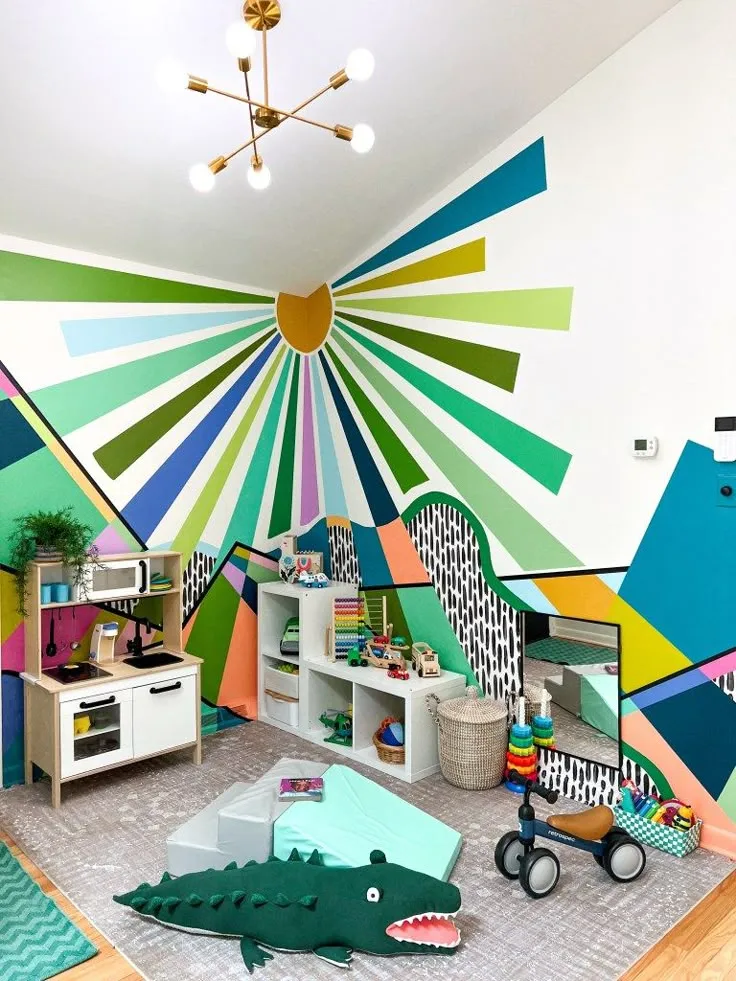
Instead of filling the room with toys, give your kids a creative surface. A chalkboard wall lets walls of the playroom to draw and erase endlessly. Magnetic paint or panels let them arrange shapes, letters or cars. It’s a playful upgrade that uses vertical space while encouraging creativity.

Floating shelves and ledges
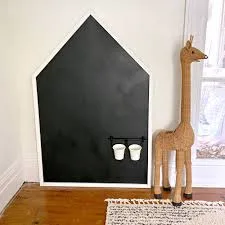
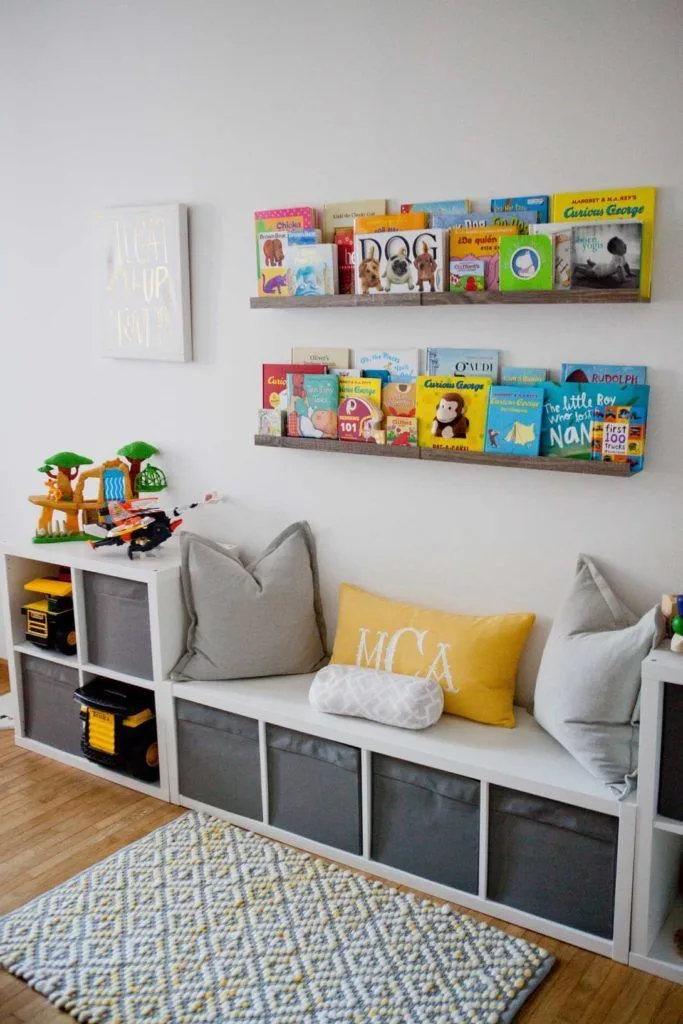
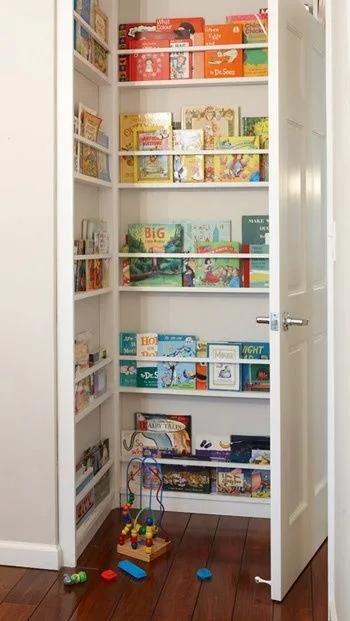
To maximize wall space add shelves on it. Moreover narrow ledges are perfect for displaying books front facing so that kids can spot their favorites quickly. Additionally, you can also mix open shelves for toys with higher shelves for parent only items.

Cube storage with bins
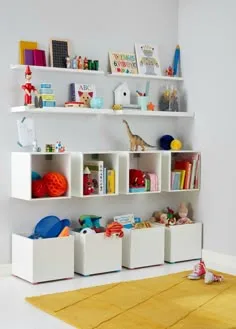
A cube organizer is a small playroom’s secret weapon. Slide baskets or bins into each cube. Also label these cubes with pictures or words. By doing so, kids can see what is inside and learn independence by putting things back in place.

Under-bench drawers
Benches along the wall create seating and the hidden drawers beneath them hide bulky toys, blocks or costumes. Moreover ,they are ideal for small rooms that need both comfort and storage. Add bright cushions on top and you’ve got a cozy reading nook.
Fold-down tables
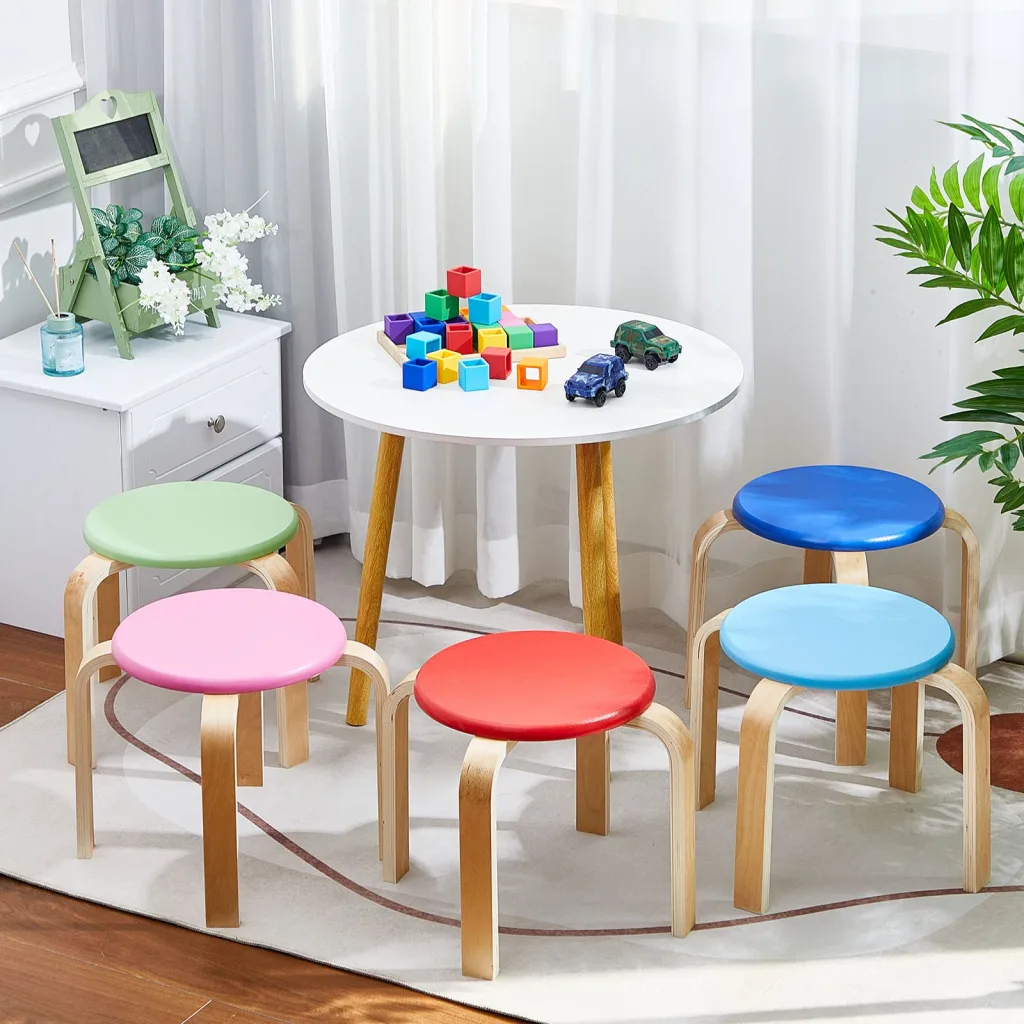
Craft sessions, puzzles and Lego builds all need a flat surface. A wall-mounted foldable table drops down for play and folds flat when not in use. Also pair fold down tables with stackable stools to save even more space.

Lofted play nook
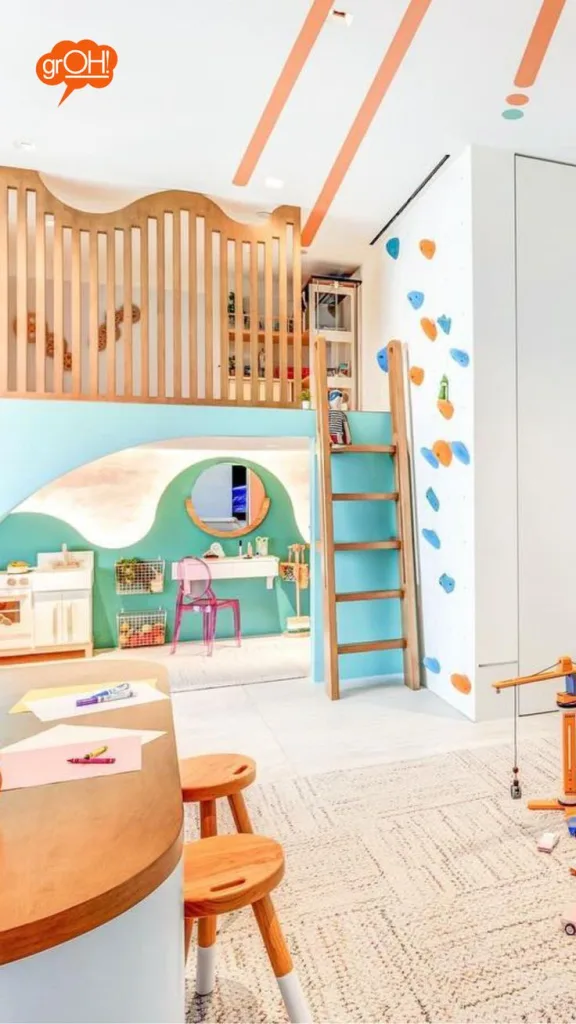
If your ceiling is tall enough, build a play nook upward. A lofted play space or bunk-bed-style nook gives kids an adventure zone on top and leaves the bottom clear for storage, reading or a desk. It doubles the usable space in a tiny room.

Floor rugs and cushions
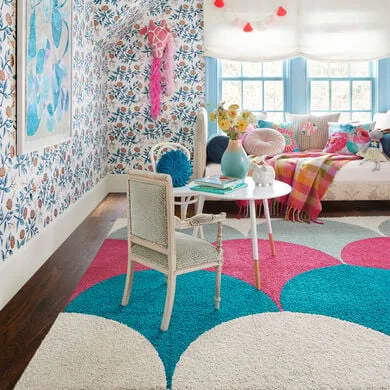
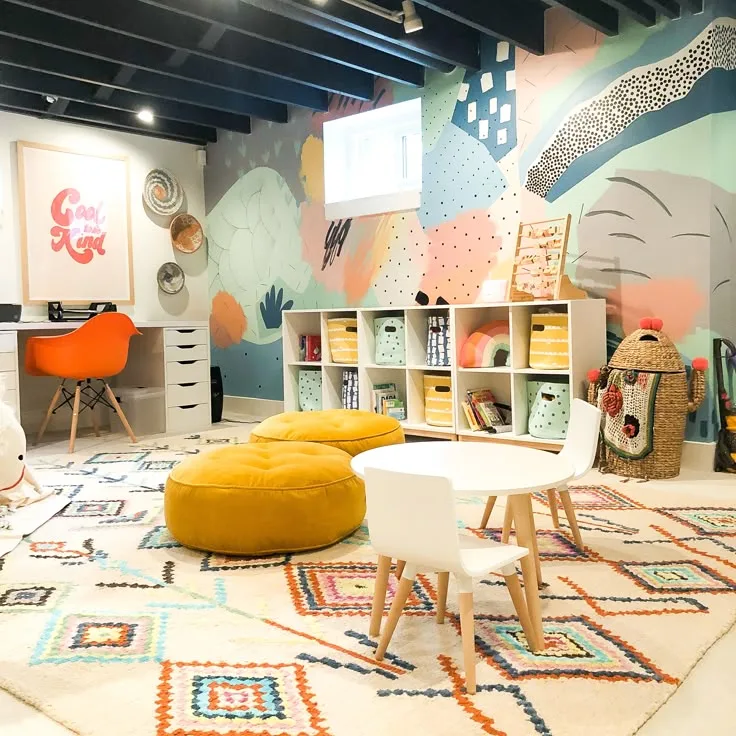
Bulky furniture eats space fast. Instead of these use layer soft rugs with oversized cushions and beanbags. This setup creates a flexible play zone that works for story time, games or just sprawling out. Plus, rugs define zones visually without walls.
Convertible furniture
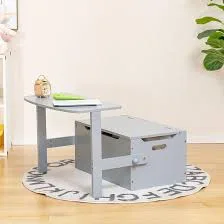
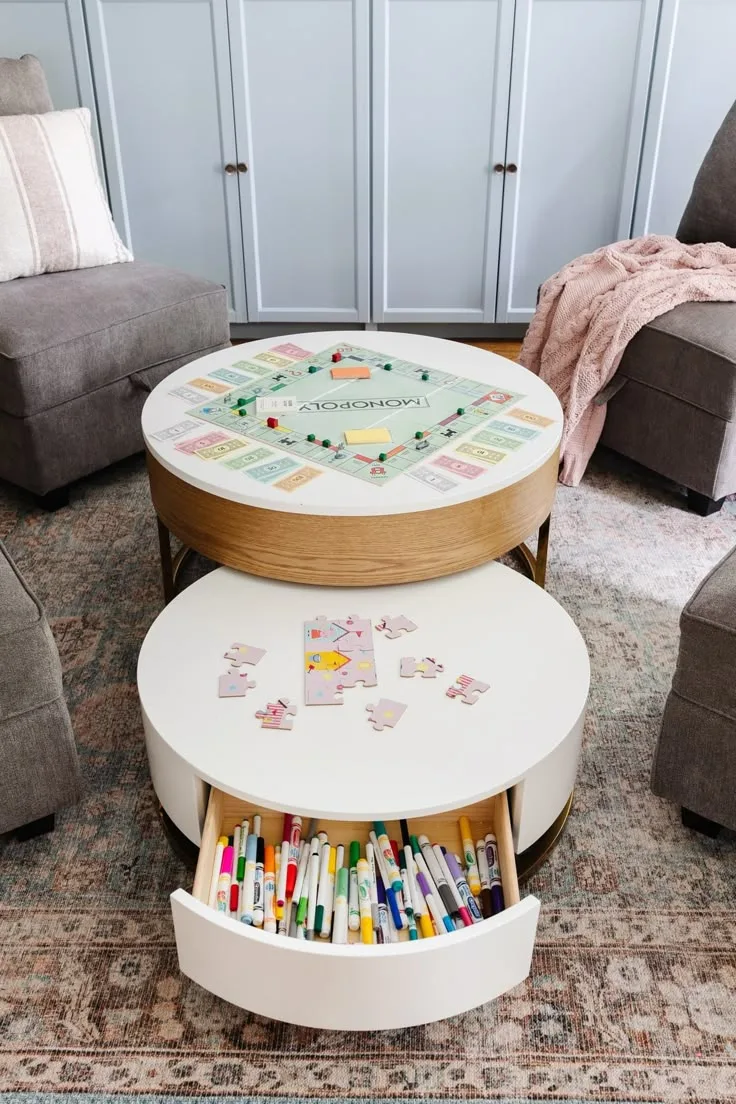
Use furniture that transforms. A bench that turns into a table, a play mat that folds into storage or stackable cubes that act as seating and storage. These pieces adjust as your child’s needs change.
Cozy play tent or canopy
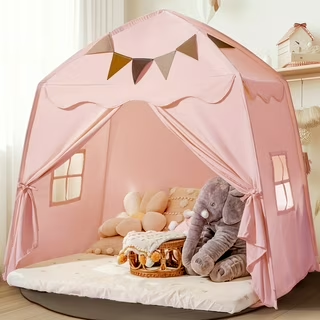
Kids love hideaways. A teepee or simple fabric canopy hung in the corner of the playroom wall creates a magical retreat. It defines a small part of the room as “theirs,” sparking imaginative play without requiring walls or extra furniture.

Hidden storage ottomans
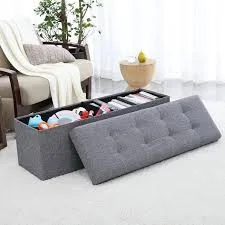
Ottomans with lift-up tops keep toys out of sight and double as seating. They’re especially useful in shared spaces like when your playroom corner is part of the living room. Choose lightweight options so kids can move them easily.
Light color palette with bold pops
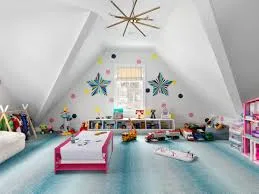
Use of bright white or pale gray walls can make a room look bigger instantly. You can add playful pops of color through cushions, rugs or wall art. This approach keeps the base calm and uncluttered while still feeling fun.
Use the back of doors
Use the back of doors so, don’t ignore hidden surfaces. Over the door racks or hanging organizers can hold stuffed animals, puzzles or art supplies. It is a no-drill and low-cost way to squeeze extra storage out of a small playroom.
Add mirrors to open the room
Place a mirror on one wall to make the room feel larger. Kids also enjoy looking at themselves while playing. It adds light and fun without using space.

FAQs
- How to set up a small playroom?
Create a wall mural or accent wall, add mirrors to open the room, light color palette with bold pops and convertible furniture
- How to maximize a small playroom? Embrace vertical space, choose multi-functional furniture, create zones and utilize under bed storage.
- What to put on a wall in a playroom?
That long wall in the playroom has so much potential to become both fun and functional! A great option could be custom vinyl wall decals. For example, you could design a playful theme like a jungle, outer space, or even an educational alphabet or numbers design to make the wall interactive for your kids
- How to make a play area at home?
Make use of shelves and make sure that they are strongly anchored. Corner shelves can maximize the play area and you can place books, stuffed animals or small toys on these shelves.
Conclusion
Small playroom decoration may look like a challenge at first but by making smart choices you can handle it. Like using walls for storage, picking furniture that serves more than one purpose and choosing light colors, you can design a room that feels open and fun.
The key is to focus on what matters most in the playroom. Even the smallest nook can hold big adventures if you add the right decorations. Try starting with one simple idea, such as a chalkboard wall, cube shelves or a reading corner. Then build on it as your child grows.
Remember that playrooms don’t have to be perfect. They should be practical, safe and filled with joy. With above mentioned ideas, you can turn any small space into a happy spot your kids will love today and for years to come.